Mini-split heat pumps (aka ductless heat pumps) are becoming increasingly popular across New England. With hotter summers, rising fuel costs, strong rebate programs like Mass Save®, and the fact that many Massachusetts homes don’t have existing central air, there are plenty of reasons homeowners are exploring ductless systems.
But how do mini-split heat pumps actually work, and are they the right fit for your Massachusetts home?
How Mini-Split Heat Pumps Work
Mini-split heat pumps move heat using refrigerant and inverter-driven technology to transfer heat energy between your home and the outdoor air.
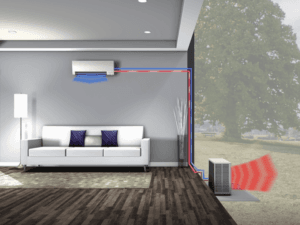
Each mini-split system consists of one or more indoor units connected to an outdoor unit. This is different from traditional heating systems that create heat rather than transfer it.
- In the winter: mini-splits extract heat from the outdoor air and move it indoors to warm your home.
- In the summer: the process reverses, removing heat from inside your home and transferring it outdoors to cool your space. This process also helps reduce indoor humidity.
This process allows for efficient heating and cooling in one system, with many cold-climate models designed to operate in temperatures as low as -22°F, making them well-suited for Massachusetts winters.
Cooling Solution for Spaces Without Ductwork
One of the biggest advantages of mini-splits is that they do not require ductwork.
Traditional central systems rely on ducts to distribute heated or cooled air throughout the home. However, many Massachusetts homes lack the necessary ductwork needed for centralized cooling, having to rely on window AC or fans instead.
Ductless heat pumps eliminate this step by delivering air directly into each space through individual indoor units. These units are connected to an outdoor unit by a small conduit that houses refrigerant lines, power, and drainage—no ductwork needed.
Because air is delivered right where it’s needed, mini-splits avoid the energy losses and installation challenges that come with ductwork. This makes them ideal for:
- Older New England homes without existing ductwork
- Homes where adding ducts would be costly or invasive
- Additions, finished basements, and attic spaces
- Rooms that are consistently too hot or too cold
- Spaces that need individual temperature control, such a nursery
Types of Mini-Split Systems
Another key advantage of mini-splits is the variety of system styles and configuration options available. Each system can be tailored to your home’s layout and comfort goals, allowing for a more customized approach to heating and cooling.
Single-Zone Systems
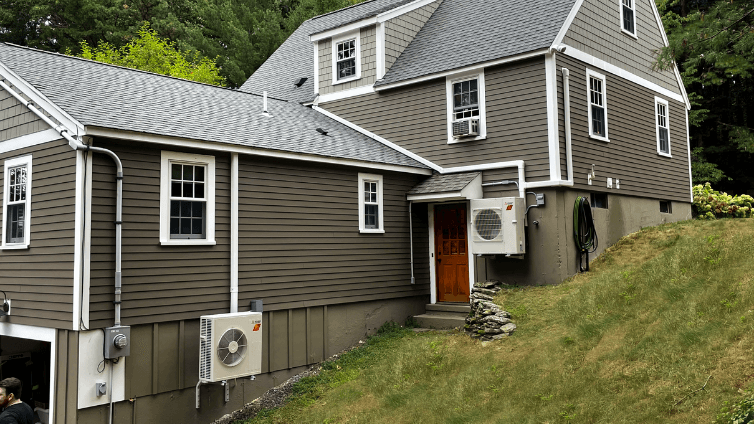
Also called 1:1 mini-split systems, single-zone mini-splits consist of one indoor unit connected to one outdoor unit.
- Ideal for individual rooms or additions
- Great for spaces that need a different comfort setting than the rest of the home
(for example, a nursery may require heating while other areas are in cooling mode) - Cost-effective solution for targeted heating and cooling
- Typically use smaller outdoor units, making them a compact and efficient option
Homes can install multiple single-zone systems throughout their home. A key benefit of this approach is independent operation, meaning if one system goes down, the others continue running.
The trade-off is that more systems mean more outdoor units to maintain. Some homeowners value the flexibility, while others prefer fewer, larger systems for a cleaner exterior and simpler maintenance.
Multi-Zone Systems
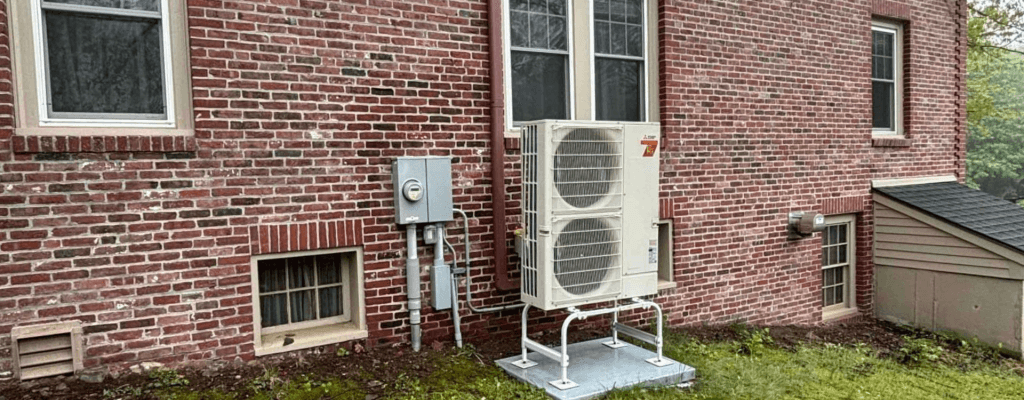
A multi-zone mini-split system connects multiple indoor units to a single outdoor unit. These systems require at least two indoor units and can support several more depending on the equipment, typically up to 8.
- Ideal for homes with multiple rooms to condition
- Well-suited for single-floor layouts with several indoor units
- A good option for homeowners who prefer fewer outdoor units instead of multiple smaller systems
It’s important to note that while mini-splits offer room-by-room temperature control, all indoor units connected to the same outdoor unit must operate in the same mode. This means they must all be set to heating or all to cooling at the same time.
For optimal performance and flexibility, we often recommend one outdoor unit per floor, with the option to combine multi-zone and single-zone systems depending on the home’s layout and comfort needs.
Mini-Split Styles
Mini-splits also offer flexibility in the style of indoor units installed throughout your home. Depending on your layout and preferences, options include:
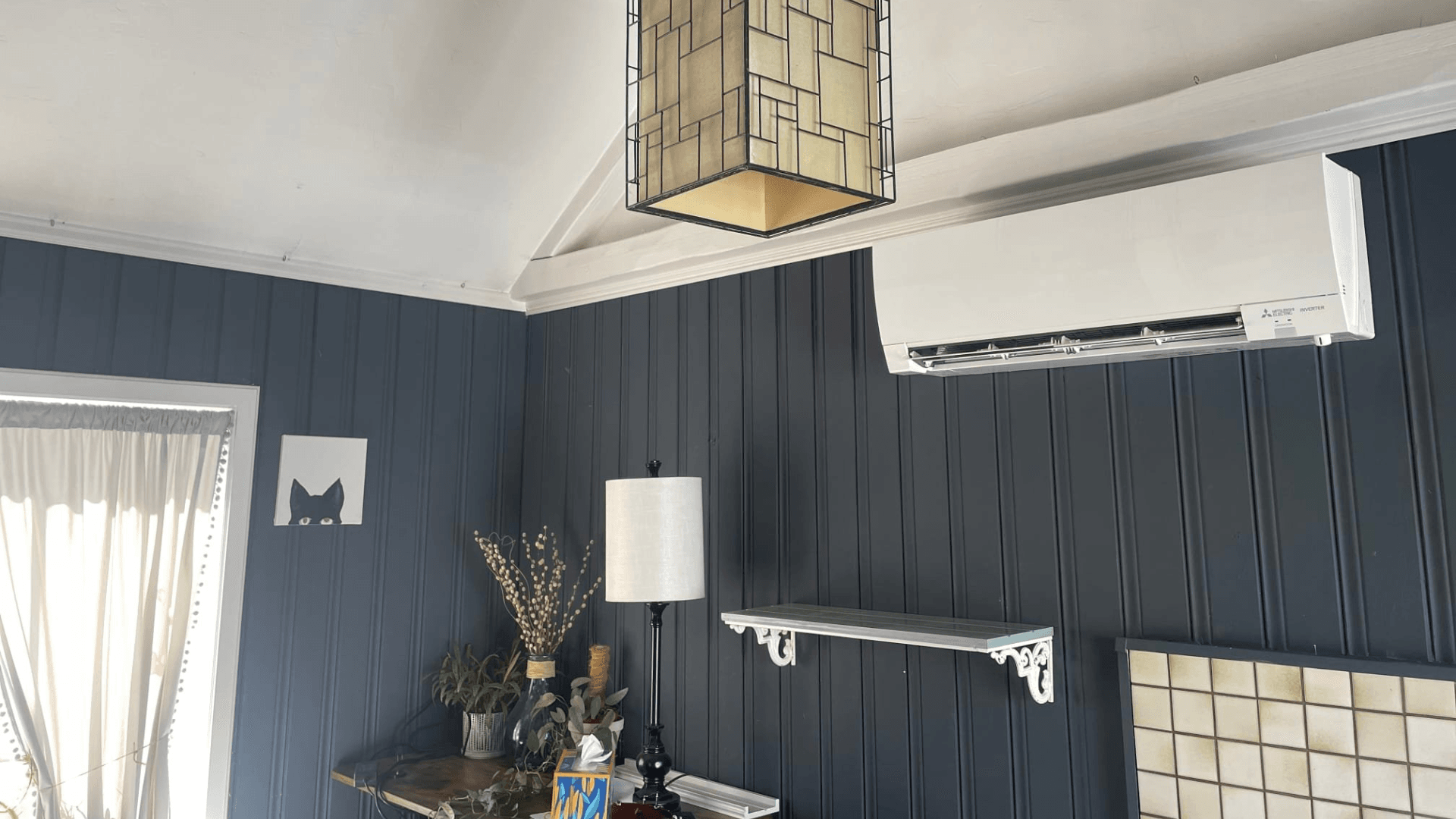
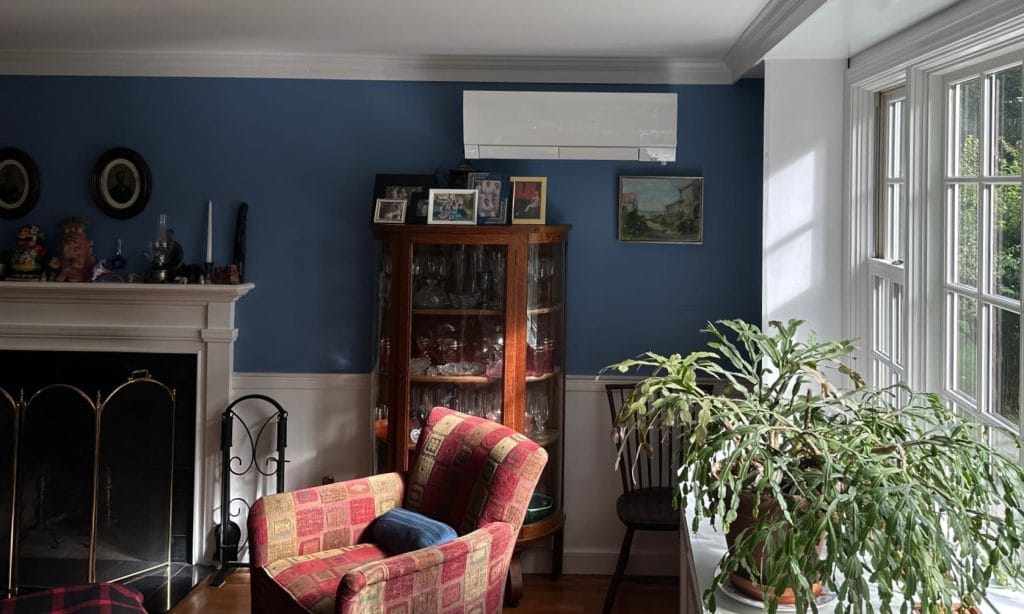
- Wall-mounted: The most common option. The ductless units are installed high on the wall, available in a variety of finishes including white, black, and chrome, with custom wrap options. Typically the most cost-effective and widely used solution.
- Floor-mounted: A great fit for spaces with limited wall height or in older homes. These units can often be placed where radiators once existed and tend to blend naturally into the space.
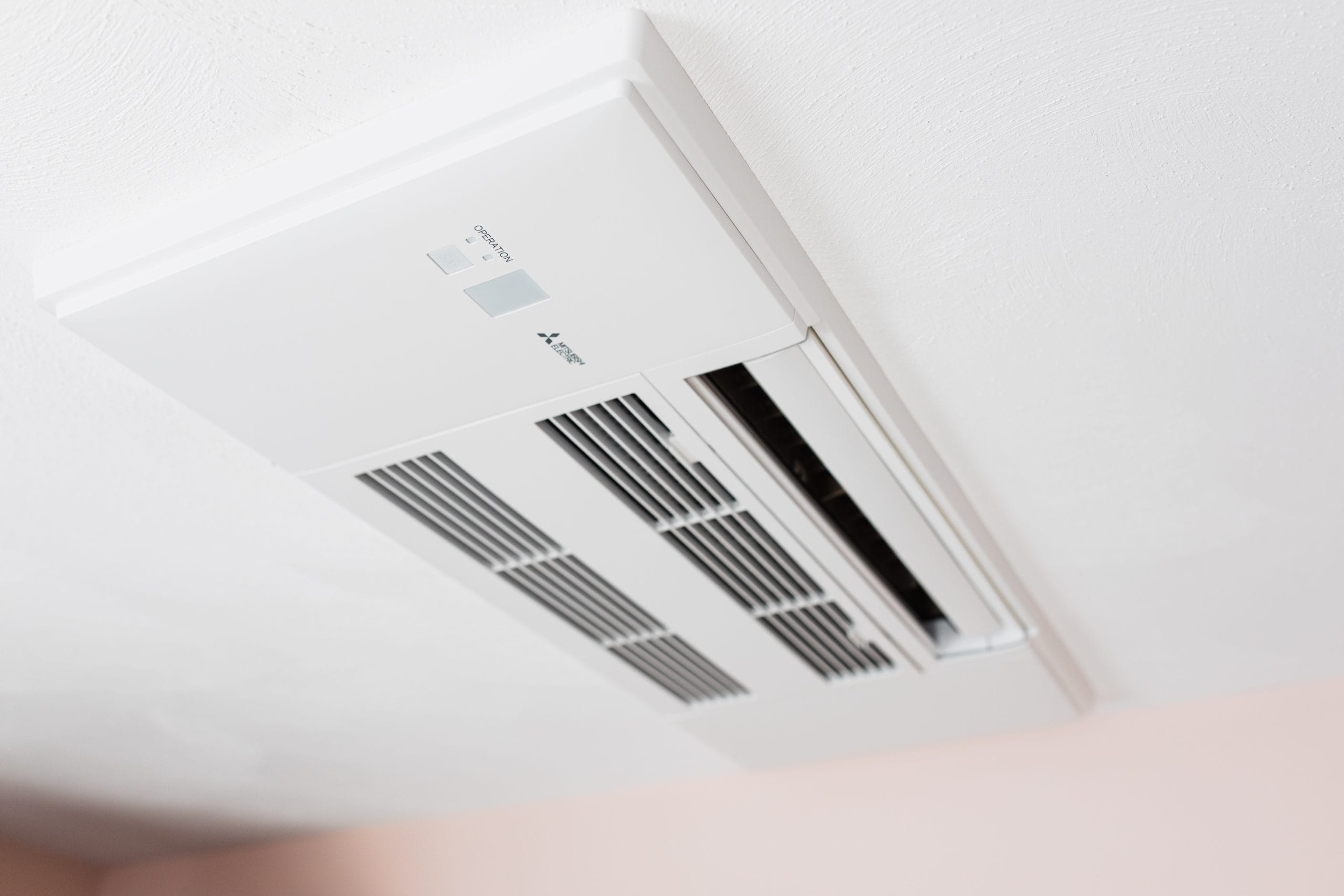
- Ceiling-mounted (cassette style): Installed flush within the ceiling, ideal for rooms with attic space above. These offer a more seamless, low-profile look and are a strong choice for homeowners prioritizing aesthetics. Ceiling-mounted units usually cost more than wall-mounted or floor-mounted styles.
Homeowners can mix and match unit styles throughout the home to best suit each room’s layout, function, and design preferences.
Are Mini-Splits Right for Your New England Home?
Mini-split heat pumps are an efficient way to heat and cool your home in one system without the need for ductwork, but whether they’re the right fit depends on your home’s layout, comfort goals, and aethetic preferences.
Benefits:
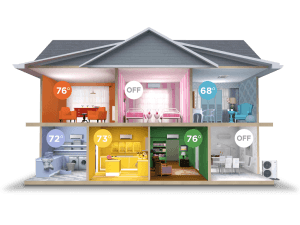
- Zoned, room-by-room comfort: Each indoor unit operates independently, allowing you to adjust temperatures by space and avoid over-conditioning or over-heating unused rooms.
- Heating and cooling in one system: Provides year-round comfort without the need for separate equipment or seasonal window AC units. This is especially helpful during Massachusetts’ shoulder seasons.
- No ductwork required: Ideal for older Massachusetts homes without central air, as well as additions, basements, and garages where running ducts may not be practical.
- Efficient operation: Heat pump technology can deliver significantly more energy than it consumes, helping reduce overall energy usage compared to oil, propane, or electric resistance systems.
- Flexible installation: Systems can be installed in phases, allowing homeowners to improve comfort over time rather than all at once.
- Eligible for local energy incentives: Many systems qualify for rebates and low-interest financing options through programs like Mass Save®, helping offset upfront costs.
Potential Drawbacks:
- Visible indoor units: Unlike ducted systems, mini-splits are installed within the room, which may not suit every aesthetic preference depending on placement and style.
- Higher upfront cost for larger homes: Homes with many rooms may require multiple indoor units and potentially multiple outdoor units, increasing installation cost.
- Multiple systems to maintain over time: With several indoor and outdoor components, maintenance and eventual replacement (typically 12–15 years) should be considered.
- Mode limitations on multi-zone systems: Indoor units connected to the same outdoor unit must operate in the same mode, either heating or cooling.
- Not ideal for every layout: Homes with many small, enclosed rooms may require careful design to avoid oversizing and maintain efficiency.
Overcoming Mini-Split Limitations
HVAC systems are not one-size-fits-all, and ductless solutions are not the best fit for every space. The good news is that a properly designed system can overcome many of these limitations.
Many Massachusetts homeowners don’t realize that adding ductwork for a centralized heat pump system is often possible, even in older homes.
In other cases, a hybrid approach may be the best solution, combining ductless mini-splits with ducted heat pumps and, when needed, a backup fuel system.
To find the best solution for your home, your contractor should take the time to understand you and your home’s unique needs and design a tailored system to meet them.
Choosing the Right Heat Pump Installer

Not all contractors offer the same solutions. Those who only install mini-splits may limit your options, rather than designing the best system for your home.
Look for a contractor with proven experience, trusted equipment brands with strong warranties, and the ability to service what they install. Most importantly, they should take a design-first approach, considering your home’s layout, insulation, and comfort goals.
Learn more: Questions to Ask Your Heat Pump Installer.