
Cold New England winters can put your plumbing at risk. Learn simple, proactive steps Massachusetts homeowners can take to prevent frozen pipes, avoid costly damage, and keep water flowing all winter long.
Cold New England winters can put your plumbing at risk. Learn simple, proactive steps Massachusetts homeowners can take to prevent frozen pipes, avoid costly damage, and keep water flowing all winter long.
Massachusetts homeowners know how tough New England winters can be, especially on plumbing systems. Frozen and burst pipes are among the most common winter plumbing issues, often leading to flooding, property damage, and the need for costly repairs.
While freezing temperatures are usually the trigger, burst pipes are typically caused by underlying conditions within the home. Understanding these causes and taking preventative steps can help Massachusetts homeowners reduce the risk of burst and damaged pipes during cold weather.
Water pipe ruptures are most often caused by increased internal pressure on the pipe. Although pipes can burst at any time of year, the risk increases during winter because water expands as it freezes.
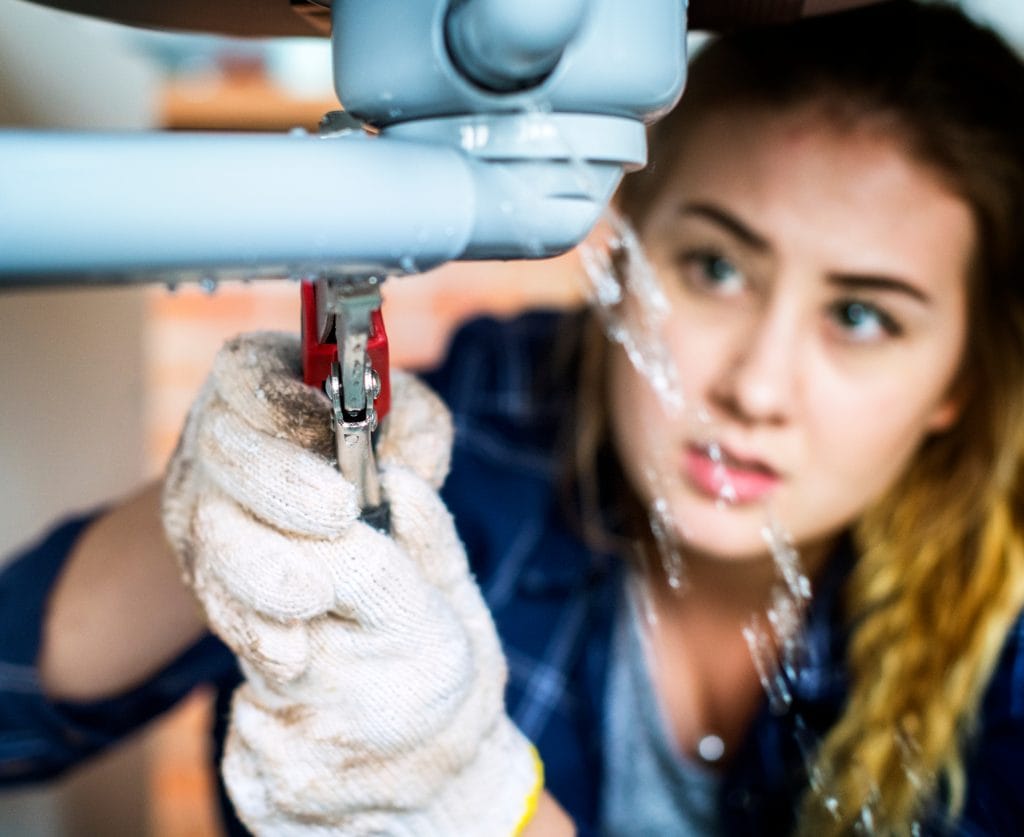
When water inside pipes is exposed to freezing temperatures, the water expands and puts pressure on the pipes. Over time, this pressure can cause cracks or lead the pipe to burst entirely.
Massachusetts winters put plumbing systems to the test, and certain conditions make frozen and burst pipes far more likely. Understanding the most common causes can help you take proactive steps before cold weather leads to costly damage.
Pipes are especially susceptible to freezing when faced with prolonged cold temperatures of 20F and colder.
When water sits stagnant in pipes for long periods, such as in rarely used rooms or during travel, it is more likely to freeze.
Older pipes or improperly installed plumbing tend to be weaker and more vulnerable to cracking under water pressure.
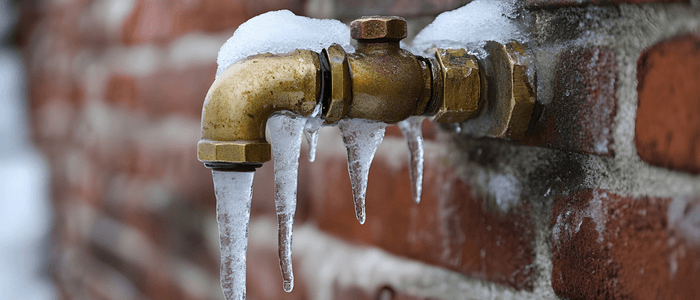
Exterior spigots and faucets are often the first plumbing components to freeze since they’re fully exposed to outdoor temperatures. When hoses are left attached or the shutoff valves aren’t properly drained, trapped water freezes and expands, causing the fixture to crack and potentially spread damage.
While cold temperatures can be tough on plumbing, burst pipes aren’t inevitable. With a few proactive steps, Massachusetts homeowners can significantly reduce the risk of frozen or burst pipes.
One of the best ways to prevent burst pipes is by keeping your home heated (at least 55 F), even in rarely used rooms and basements. Allowing indoor temperatures to drop too low increases the risk of pipes freezing, especially during overnight cold snaps.
Adding insulation to pipes located in basements, attics, crawl spaces, garages and exterior walls helps retain heat and prevent freezing. This can be especially helpful for older Massachusetts homes, which tend to lose heat more quickly than newer, tightly sealed homes.
Make sure your thermostat is functioning properly and set to maintain a consistent temperature throughout your home. Be sure to pay special attention to less frequently used rooms, where temperature issues can go unnoticed and increase the risk of frozen pipes.
If you’re away during winter, keep the heat on and consider having someone check on your home. For longer trips, shutting off the main water supply can help limit damage if a pipe does freeze.
Turn off and drain water lines supplying outdoor spigots before freezing temperatures arrive. A helpful way to remember to do this is to add this task to your fall cleanup checklist, making sure all outdoor hoses are removed and drained, and exterior fixtures are properly winterized to help prevent frozen or burst pipes.
During extremely cold weather, letting faucets drip slightly keeps water moving through pipes, reducing the chance of freezing.
If a pipe does burst in your home, acting quickly can help limit water damage and prevent additional issues. Following these steps can make a stressful situation easier to manage.
1) Shut off the main watter supply immeditently to stop additional water from flooding into your home.
2) Turn off your heating system and water heater if safe to do so, especially if water is near electrical components.
3) Open nearby faucets to releive water pressure and drain remaining water from the system.
4) Contain and dry the area as quickly as possible to reduce water damagae and the risk of freezing.
5) Contact a licensed plumbing contractor right away to safely repair the pipe and assess any additional damage.
Burst pipes need fast, professional attention. Jay Moody HVAC offers licensed plumbing services to repair damage, prevent future issues, and help Massachusetts homeowners navigate the cold, winter months.
If you’re dealing with a burst pipe or any other plumbing or heating concern, Jay Moody HVAC is here to help. Our team provides reliable, quality service to keep your home running its best year-round.
Whether you’re looking for reliable HVAC, electrical or plumbing services,
we’re here to help!
"*" indicates required fields