
As summer approaches, high humidity becomes a common challenge for Massachusetts’ homeowners. Moisture from both outside and inside your home can quickly build up, causing discomfort and impacting indoor air quality. If you’re noticing high humidity levels, even with your HVAC system running in cooling mode, several factors could be contributing to the problem. Let’s explore these causes and solutions to help reduce humidity in your home.
1. High Home Humidity Due to a Poorly Sized HVAC System
One of the most frequent mistakes in HVAC system installation is oversizing. Whether you’re cooling with traditional air conditioning or heat pumps, an oversized HVAC system can negatively impact your home’s humidity levels.
When HVAC systems run in cooling mode, the cold coil, which should be a few degrees cooler than the return air temperature, creates condensation. This condensation draws moisture from the air and directs it through the system’s drain pan, removing moisture from your home’s air as part of the system’s cooling process.
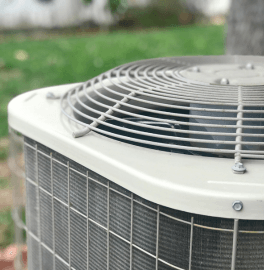
Oversized HVAC systems tend to reach the thermostat set point too quickly, causing the equipment to cycle on and off. Because of this ‘short cycling’, the coil isn’t consistently cold enough to pull moisture out of the air, leaving your home feeling humid and reducing overall system efficiency.
On the flip side, an undersized HVAC system won’t be able to remove enough moisture or effectively lower the temperature in your home, further contributing to humidity issues.
2. High Humidity Due to Poor Home Ventilation
Ventilation plays a critical role in managing humidity levels. Inadequate ventilation in key areas such as bathrooms, kitchens and laundry rooms can lead to excessive moisture buildup indoors. Common issues include:
- Bathroom fans that don’t effectively remove room moisture from showering or sink water.
- Dyer vents releasing moisture into your home instead of venting it outside.
- Kitchen exhaust fans that recirculate moisture instead of expelling it.
Adequate ventilation, including the use of exhaust fans and proper ductwork, is essential to reducing excess humidity. Without it, moisture can linger in your home, creating an uncomfortable environment and potentially fostering mold growth.
3. Impact of Building Envelope on Humidity
The building envelope of your home plays a significant role in managing humidity levels. This includes the insulation and barriers that separate your home’s interior from the outside environment. A poorly insulated home allows outdoor moisture to seep in, especially during the warmer months. Alternatively, a tightly sealed home can trap moisture inside, leading to higher humidity levels, particularly during the winter months when moisture from showers, cooking and daily activities has nowhere to escape.
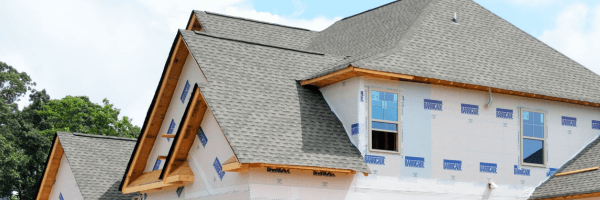
As homes become more energy-efficient, they also tend to be built more airtight. This is why newer, modern construction homes in Massachusetts may experience higher humidity levels, even during colder seasons.
*Read more about humidity in new construction homes, here .
4. Home Lifestyle Affects Humidity
While Massachusetts isn’t as humid as climates like Florida and southern states, the region still experiences a fair amount of moisture in the air. The weather, in combination with your home’s lifestyle factors also contributes to higher humidity levels.
For Example:
- The number of people in your home emitting moisture through everyday living such as breathing and sweating.
- The frequency of showers, cooking, hanging wet clothes/towels out to dry and other water usage indoors.
These factors, when combined with the climate and your home’s structure, make each home’s humidity levels unique. Customizing your HVAC system and improving indoor air quality is essential for optimal comfort.
How to Combat Humidity in Your Home
Now that we’ve covered common causes of high humidity, how can you combat it effectively? The solution depends on your home’s specific layout, construction and HVAC system.
Here are a few options:
- Upgrade your HVAC system: If you’re faced with high humidity in the summer and currently have an air conditioning system, it may be time to upgrade to a properly sized, more advanced system. Heat pumps tend to be especially adept at combatting humidity when in cooling mode because they are designed to run continuously as part of their efficient operation.
- Add a dehumidifier: If humidity persists, even on cooler days, it may be a sign to add a dehumidifier to your HVAC system. This will help to remove moisture from the air, especially when your HVAC system isn’t running in cooling mode.
- Improve Ventilation: To help remove moisture from your home, ensure all areas of your home are adequately ventilated. This is especially important in bathrooms, kitchens and laundry rooms. For newer construction homes, Energy Recovery Ventilators (ERV) may also be necessary to ensure proper airflow throughout your tightly sealed home.
Indoor air quality shouldn’t be overlooked when assessing your family’s comfort needs, especially in humid Massachusetts climates. Before making significant purchases or changes to your current system, we recommend consulting with a qualified HVAC contractor who takes into account your home’s design, system use and family lifestyle, prioritizing proper system sizing.
Dealing with high humidity is a frustrating problem, but with the right HVAC solution, you can enjoy a more comfortable and healthier home. Jay Moody HVAC specializes in providing tailored home services that address your unique needs, ensuring efficient humidity control year-round. Reach out today to schedule a consultation and find out how we can help improve your home’s indoor air quality.
Reach out to Jay Moody HVAC !
Contact Us
Whether you’re looking for reliable HVAC, electrical or plumbing services,
we’re here to help!
"*" indicates required fields