Do Massachusetts Homes Need Backup Fuel Heating with Heat Pumps?
Learn whether Massachusetts homeowners need a backup fuel heating source when upgrading to heat pumps. Explore key factors like home size, layout and winter performance.
As more Massachusetts homeowners consider switching from oil, gas or propane to high-efficiency heat pumps, one question frequently comes up: “Do I need a backup fuel heating source for winter?”
The answer depends on a home’s layout and construction, location, the homeowners’ comfort needs and how the heat pump system is engineered.

Some modern cold-climate heat pumps, like Mitsubishi Electric, can perform down to -22°, making them capable of heating Massachusetts homes throughout the winter. Despite the advancements in cold-climate performance, certain situations may still benefit from keeping a fuel system as supplemental or backup heat.
Below we explain when a backup fuel source is useful, when it isn’t needed, and how to make the right decision for your home.
What Is a Backup Fuel Source?
A backup fuel heating source refers to an existing or new furnace or boiler that produces heat by burning oil, natural gas or propane. These systems can produce heat regardless of the temperatures outside and use a much smaller amount of electricity than heat pumps.
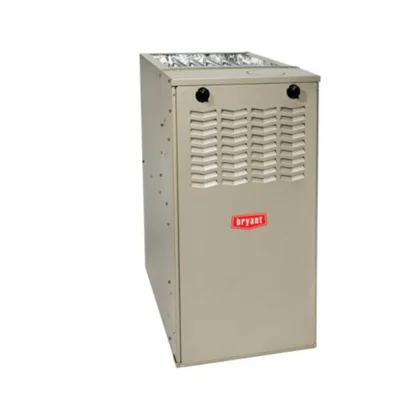
For homeowners who choose to keep a boiler or furnace, the system can be programmed to automatically switch between the heat pump and fuel heating source once outdoor air drops to a specific temperature. This setup is often called a dual-fuel or hybrid heat pump system.
Can Heat Pumps Fully Replace Fuel Heating in Massachusetts?
Yes! When designed correctly, heat pump systems can often fully displace a home fuel heating system.
A heat pump-only design works best when:
- The home is properly insulated and air sealed
- High-quality, cold-climate heat pump equitment is selected
- The system is properly sized with a Manual J Calculation
- When ductwork is present, a Manual D Calculation is also necessary
- The home is not prone to frequent power outages or has an adequately sized wood/pellet stove for backup heating in the event of frequent power-outages
When Keeping a Backup Fuel Source is Recommended
Although many homes work perfectly with heat pump-only heating, some conditions make a hybrid setup beneficial:
1. Older or Poorly Insulated Homes: Drafty homes or buildings with minimum insulation may lose heat quickly during extreme cold, or in the event of power outages, making a supplemental fuel system helpful. This is a common issue when installing heat pumps in older Massachusetts homes, including those dating back to the1700s.
2. Large or Unusual Home Layouts: Massachusetts homes with older additions, converted spaces or inconsistent airflow may require supplemental support from a furnace or boiler depending on the home layout.
3. Cost Optimization: Especially relevant for homeowners with natural gas heating, choosing a dual-fuel system that automatically switches to your furnace or boiler at a certain temperature can be more cost-effective than heat pump-only heating. Because heating costs will differ based on your home layout, the equipment installed and utility rates in your area, it’s important to work with a qualified HVAC professional to help determine the most cost-effective use of heat pumps.
4. Frequent Power-Outages: If your home frequently experiences power-outages, it’s probably best to back up your heat pump system with either a wood/pellet stove or a furnace/boiler paired with a small generator. While furnaces and boilers do require electricity to run, they use much less electricity than heat pumps, making them easier to run in the event of power outages.
5. Homeowner Preference: Some homeowners simply feel more comfortable having a secondary system as “insurance” during the coldest weeks of winter. =That’s reason enough to keep a fuel heating source!

How Backup Fuel Sources Affect Mass Save ® Rebates
For homeowners qualifying for Mass Save® and municipal rebate programs, the decision to keep a backup fuel source may also be influenced by program requirements.
Mass Save® offers two main pathways to obtain rebates when installing heat pumps:
Whole-Home Heat Pump Rebate
Mass Save’s® Whole-Home Heat Pump Rebate offers up to $10,000 in rebates (up to $8,500, starting in 2026) for homeowners installing eligible whole-home heat pump systems. In addition to using an eligible heat pump installer and equipment, the Whole-Home Rebate requires:
- Removing or fully disabling your existing boiler or furnace
- Relying on the heat pump as your primary source of heating
- Ensuring all areas of the home are heated by the heat pump system
Homeowners who opt for the Whole-Home Heat Pump Rebate will not be able to keep a backup fuel source.
Partial-Home Heat Pump Rebate
For homeowners looking to keep their boiler or furnace or looking to heat only part of their home with heat pumps, a Partial-Home Rebate is available. To be eligible for the Partial-Home Heat Pump Rebate, integrated controls must be installed to allow the system to switch between the heat pump and fuel source based on Mass Save’s® predetermined cutover temperature.
Does Your Home Need Backup Fuel Heating?
The needs of each home and homeowner are different. That’s why it’s important for heat pump contractors to take the time to work with the homeowner to find a tailored solution.
When exploring heat pump options, your contractor should discuss backup heating and why they do or don’t recommend it for your space. All the factors above should be addressed when you receive a proposal for your heat pump system!
At Jay Moody HVAC, our degreed engineers design every heat pump system using science-backed methods to ensure reliable winter and summer performance. We help homeowners compare:
- Heat pump-only vs. hybrid heating
- Available heat pump rebates
- System performance at a range of temperatures
- Long-term comfort and efficiency goals
Schedule your free in-home consultation today and find the best heating solution for your home!
Contact Us
Whether you’re looking for reliable HVAC, electrical or plumbing services,
we’re here to help!
"*" indicates required fields